
Commercial roof evidence for the Miami Valley
Dayton Commercial Roofing Planning
Start with the water entering the building. Stabilize the immediate problem, inspect the roof and drainage, then compare the right permanent path: repair, restoration or coating, recover, replacement, capital planning, and scheduled service.
Roof Scope
Commercial roof decisions written from the roof.
Commercial roof repair, replacement, coatings, maintenance programs, inspections, and condition reports for owners and facility teams across Dayton. Dayton roofs deal with freeze-thaw cycling, hail, ponding water, downtown staging, warehouse access, tenant operations, rooftop units, and winter repair limits. A useful scope has to explain those conditions before it asks an owner to approve work. Local commercial roofers and commercial roofing contractors serve Dayton businesses with repair, replacement, coatings, maintenance, inspections, and roof reports.
Commercial Roofing of Dayton documents the roof condition, active leaks, drainage issues, membrane type, edge details, wet-area concerns, access limits, and repair choices so the next decision is grounded in what is actually on the roof.
Roof Work
Start with the roof problem in front of you.

Active Leak Response
Trace water entry back to seams, drains, curbs, walls, and roof traffic before the repair scope is priced.

Maintenance Records
Keep drain conditions, flashing repairs, roof traffic notes, photos, and next-step recommendations in one roof file.

Storm Documentation
Document hail, wind, metal, membrane, skylight, and temporary repair conditions without promising claim outcomes.

Replacement Budgets
Compare tear-off, recover, insulation, edge metal, access, and winter dry-in before a capital decision is made.
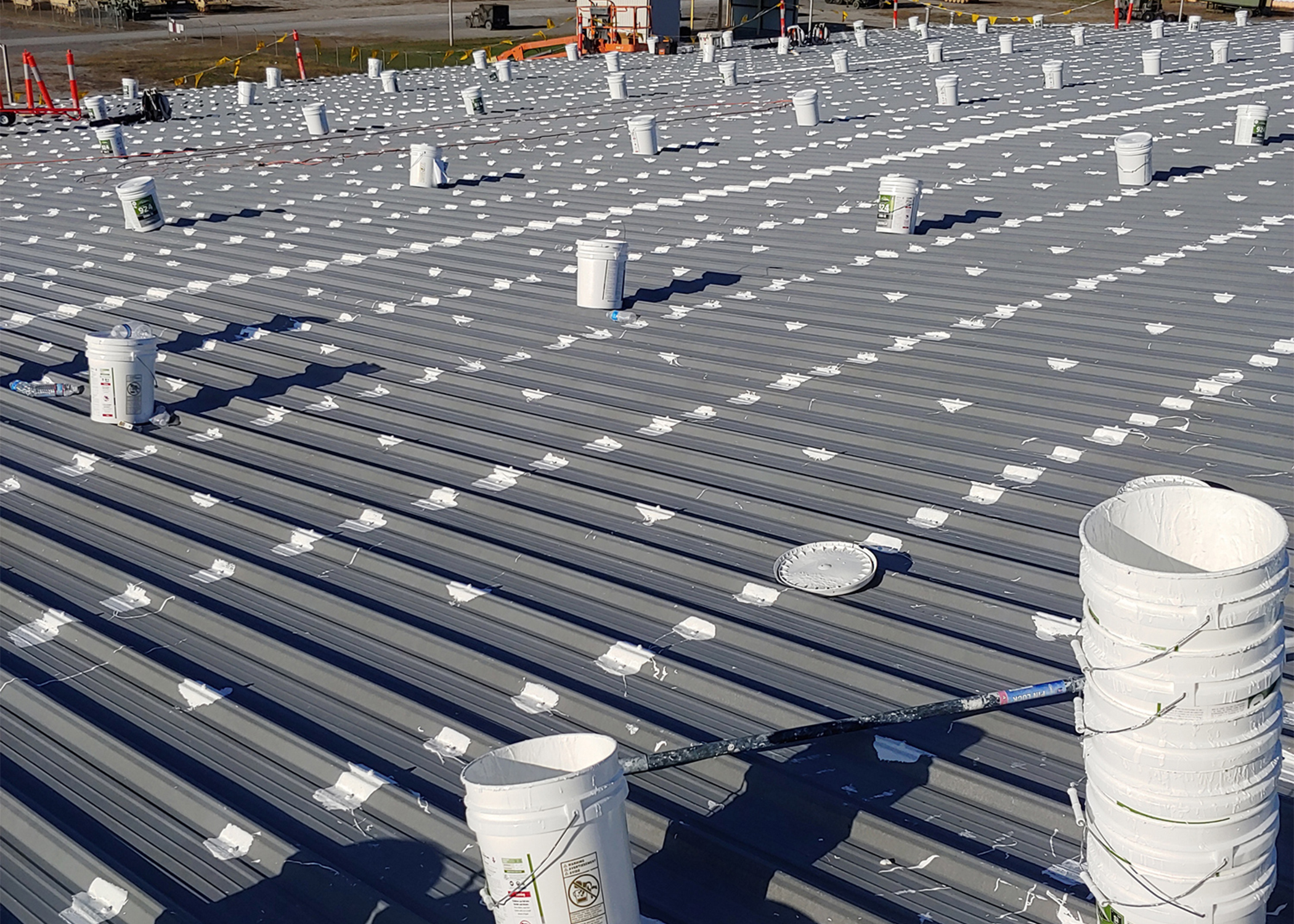
Office Roofs
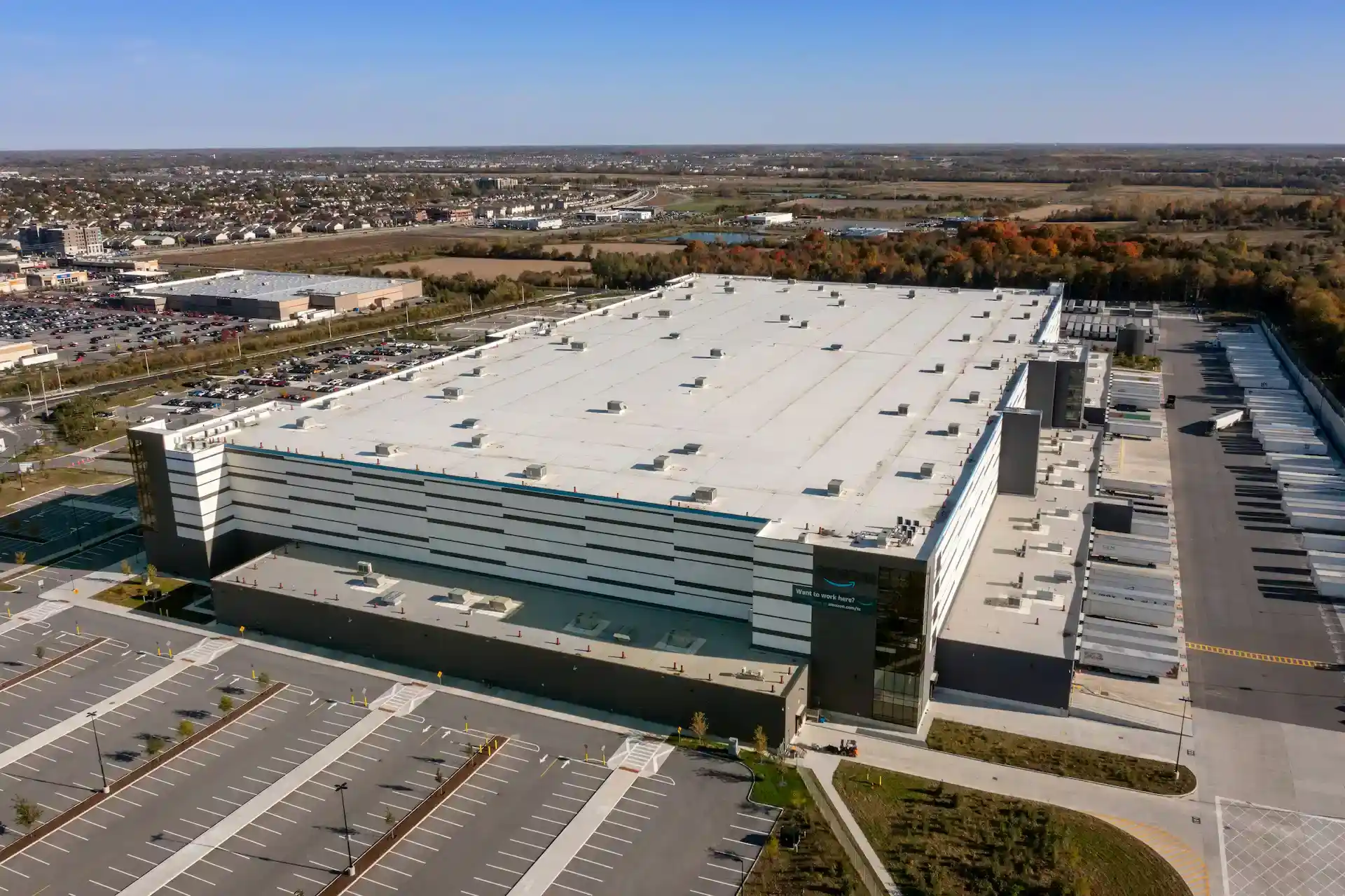
Warehouse Roofs
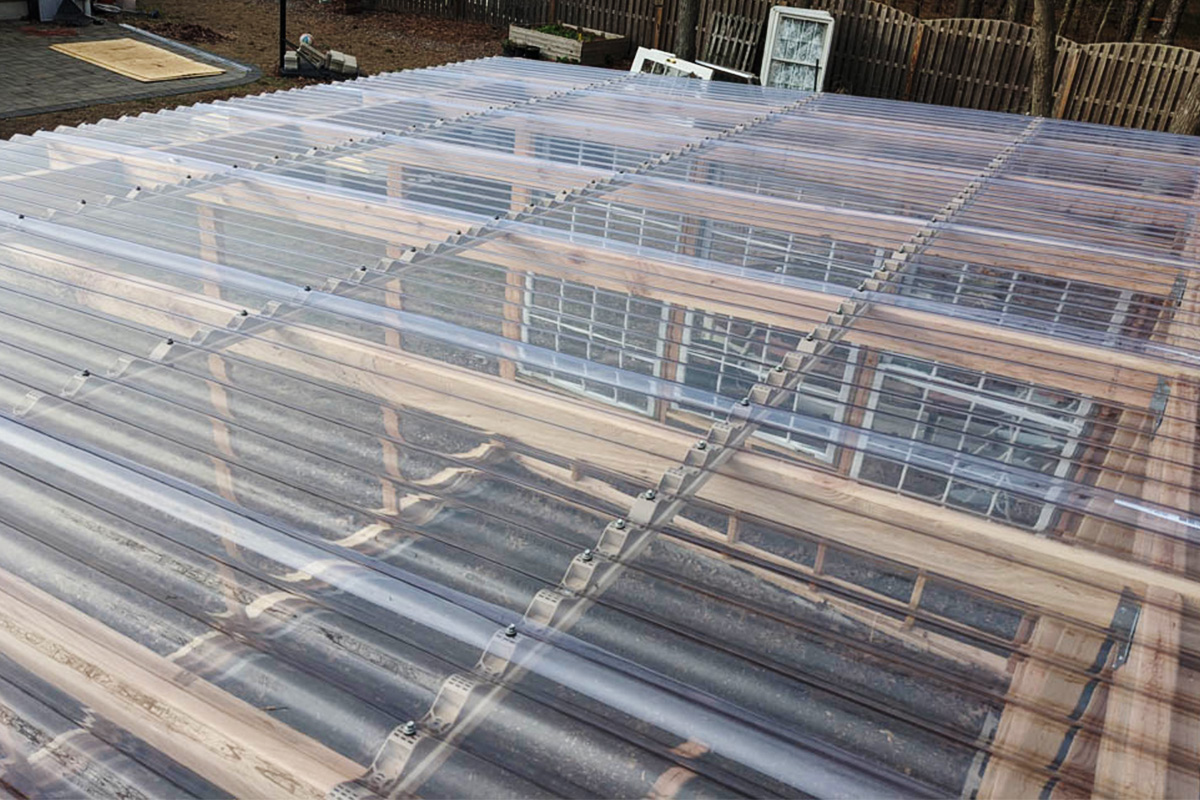
Food and Ag Roofs
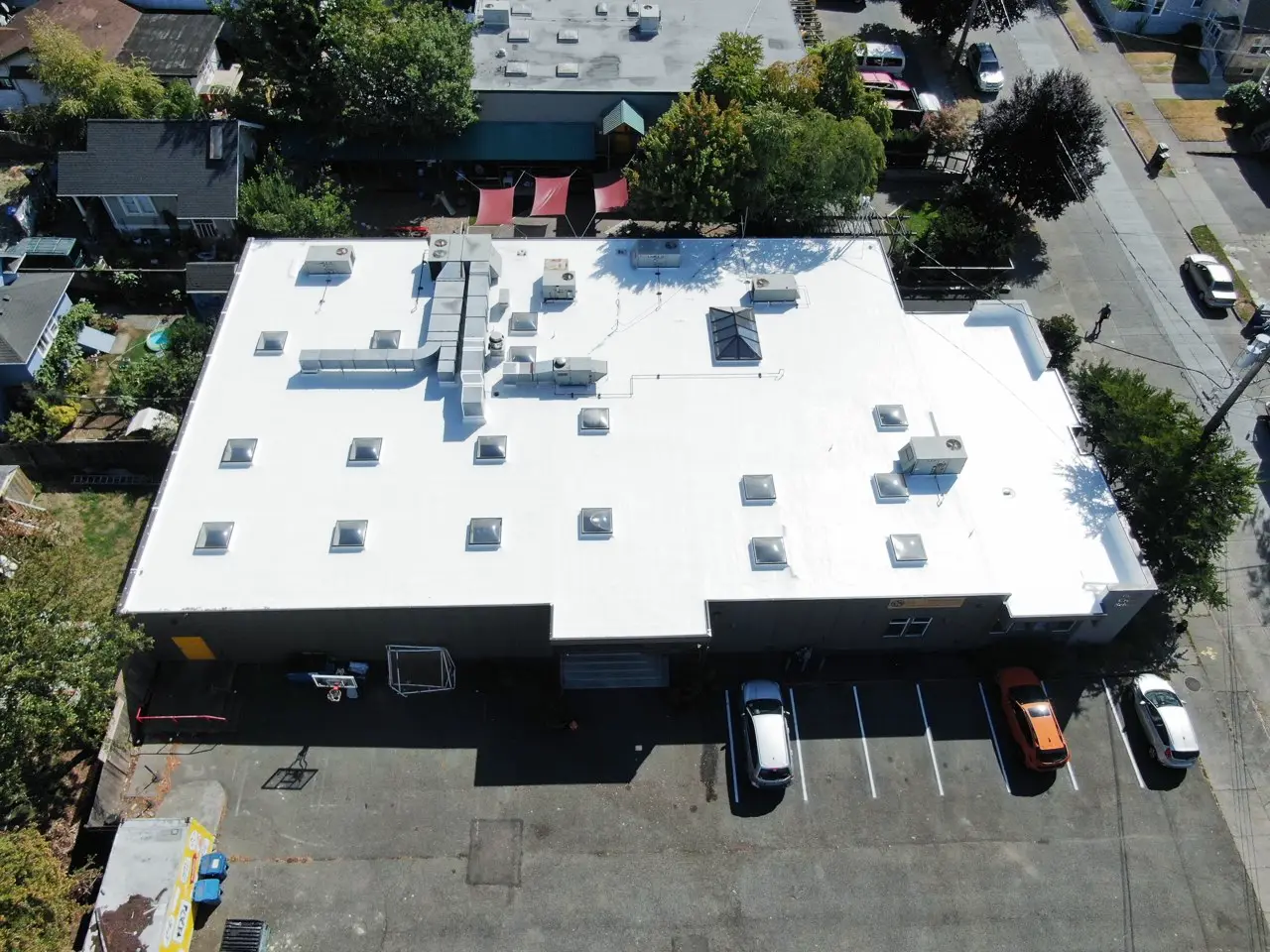
School Roofs
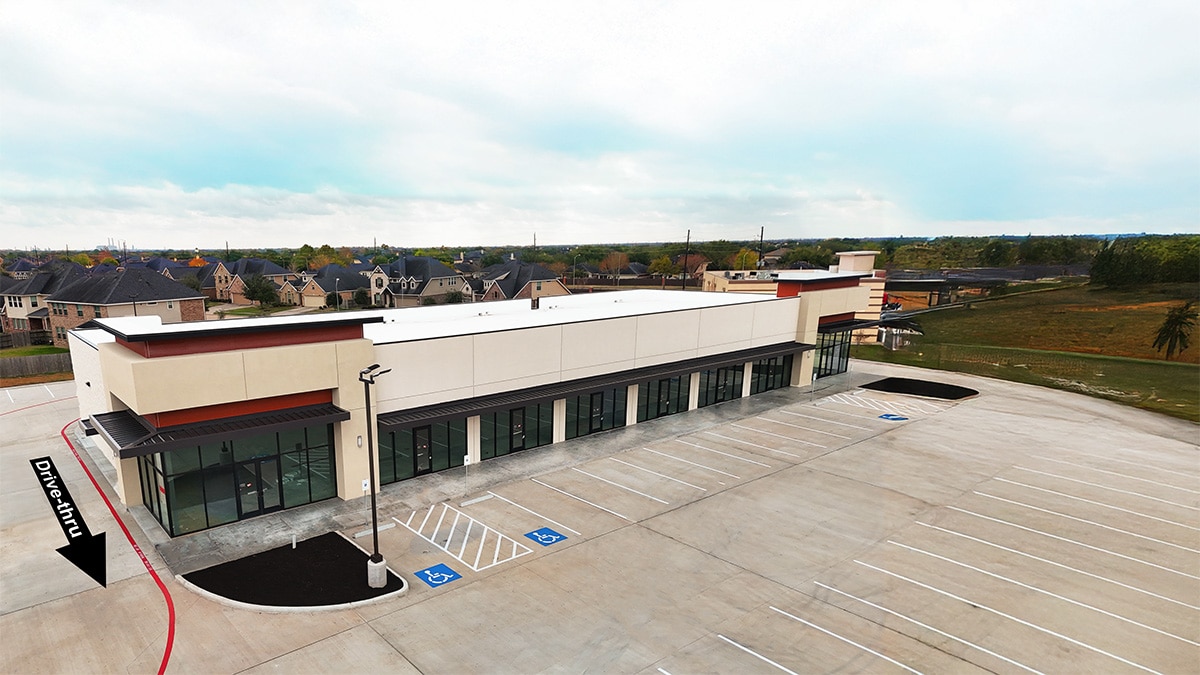
Retail Roofs

The Firm
Built for property managers, owners, and facility teams.
The work spans commercial, industrial, and multifamily roofs: leak response, condition reports, maintenance, coatings, metal details, storm documentation, recover analysis, and replacement planning — flat and low-slope systems on warehouses, plants, retail centers, offices, and apartment communities alike.
Every recommendation separates temporary containment from permanent repair, repair from restoration, and restoration from replacement so the building team can make a clear call.
Roof Systems
System selection follows the building, not the sales pitch.
Membranes
TPO, EPDM, PVC, and KEE details reviewed around seams, penetrations, traffic, attachment, and drainage.
Restoration
Coating and recover candidates checked for wet insulation, adhesion, edge conditions, and remaining roof life.
Metal
R-panel, standing seam, coping, gutters, scuppers, and transitions documented before leak work begins.