Roof Systems
Membrane, metal, coating, foam, asphalt, and recover assemblies reviewed against Ohio weather, roof access, and building operations.

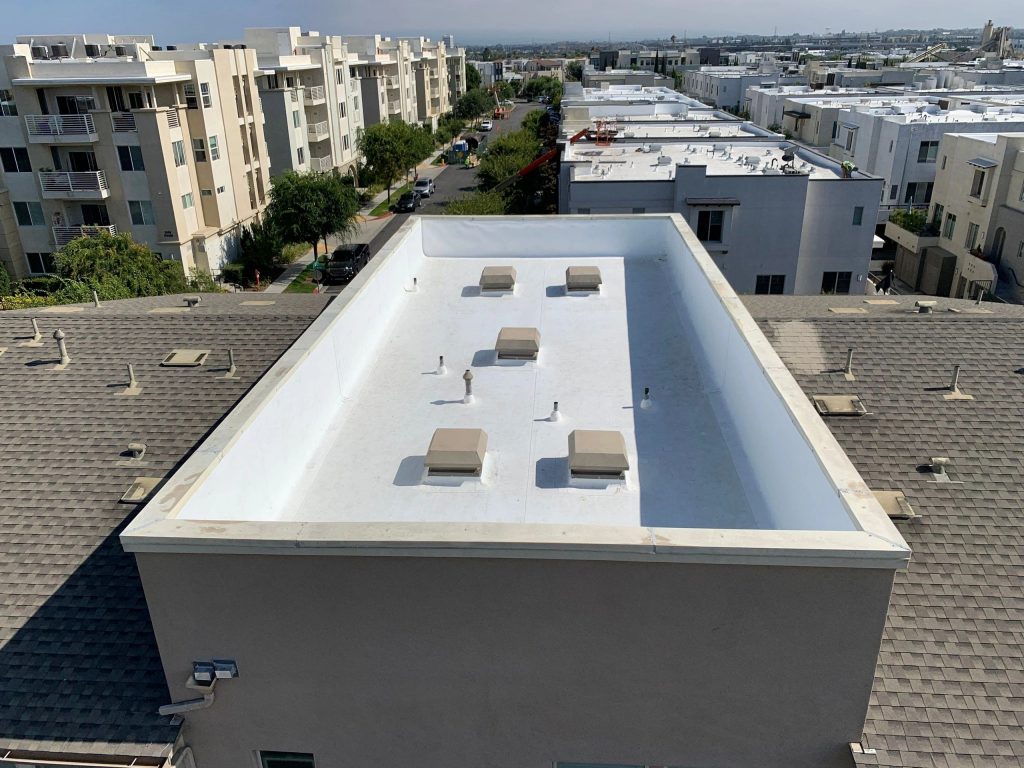
Membrane, metal, coating, foam, asphalt, and recover assemblies reviewed against Ohio weather, roof access, and building operations.
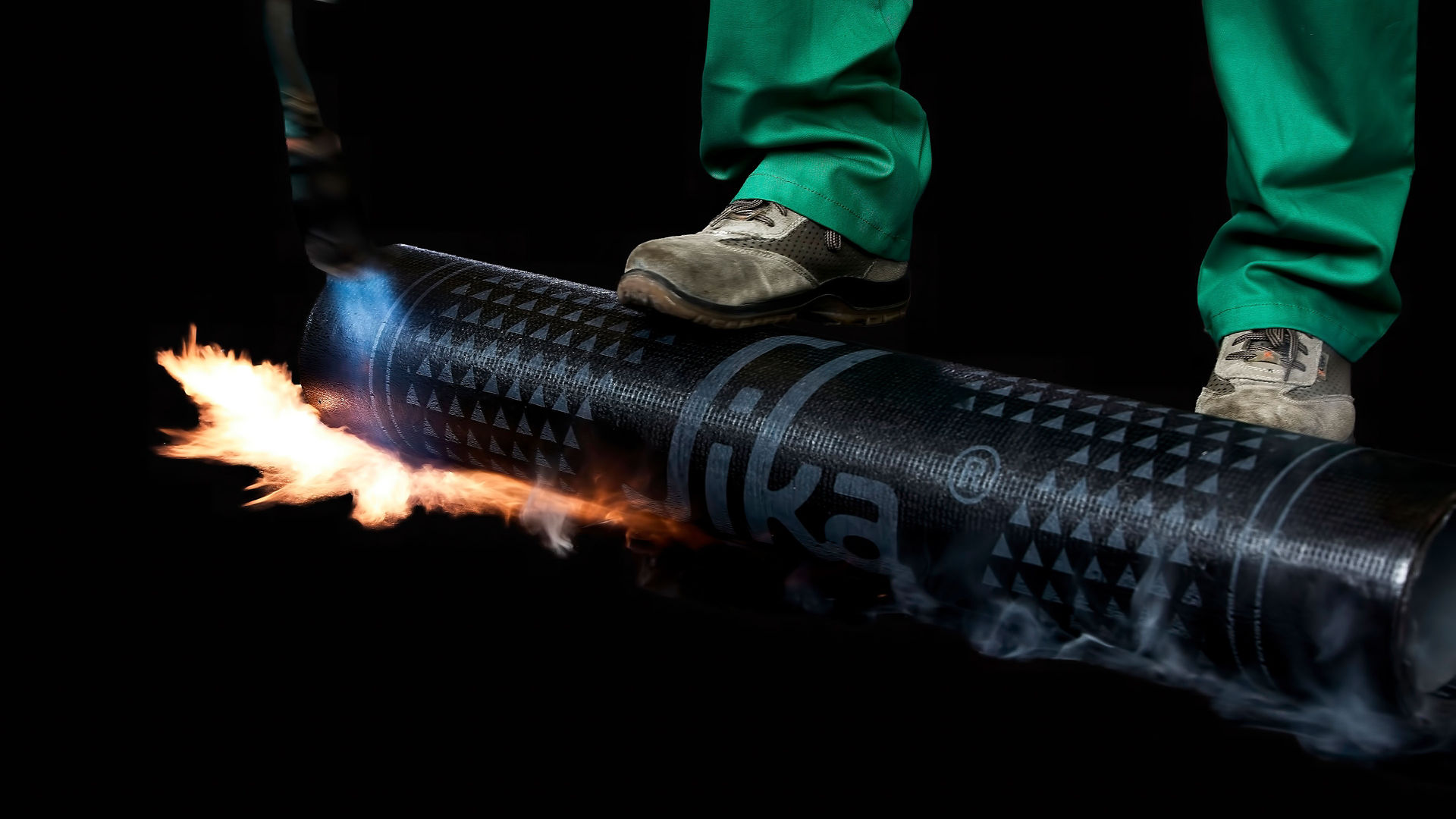
SBS modified bitumen stays pliable in the cold, which matters through a Dayton winter; its rubberized plies give a redundant, traffic-tolerant low-slope membrane.
Fluid-applied acrylic and silicone systems renew a sound Dayton membrane and seal weathered seams; silicone in particular holds up where Ohio rain leaves standing water.
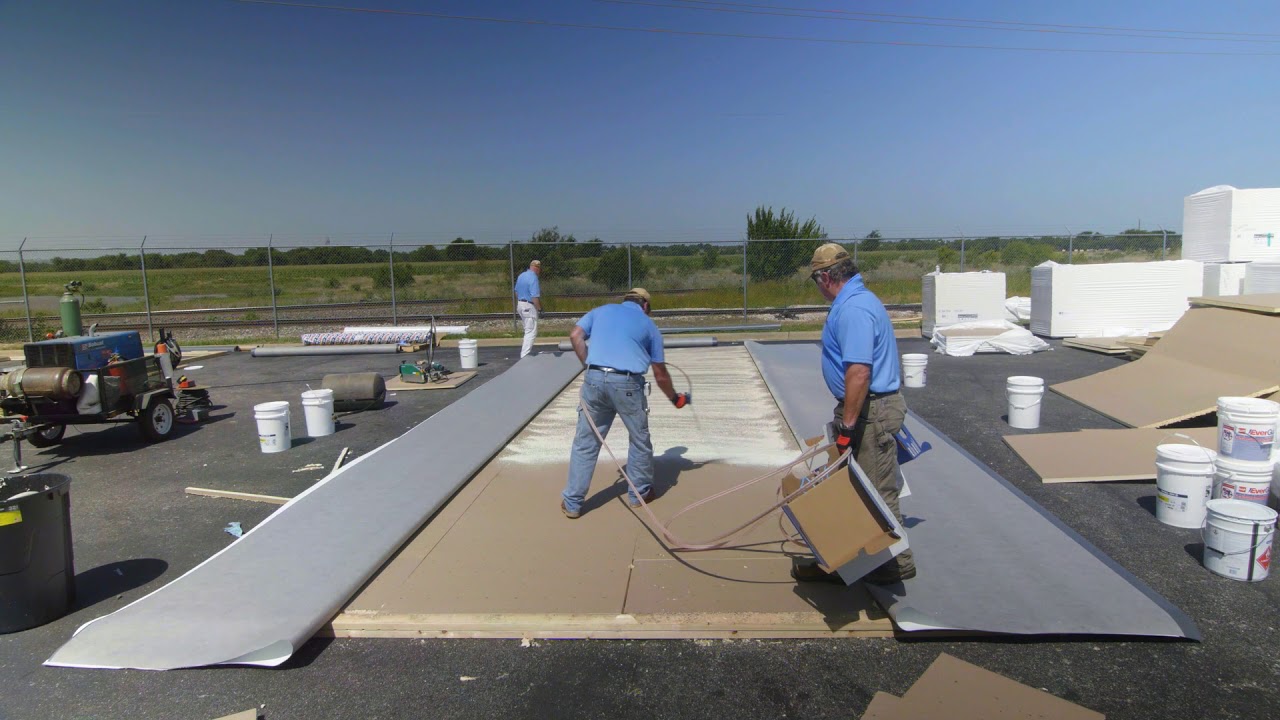
A fleece-backed TPO bonds tough and resists punctures from hail and foot traffic, a sensible upgrade for Dayton roofs that take a beating from spring storms.
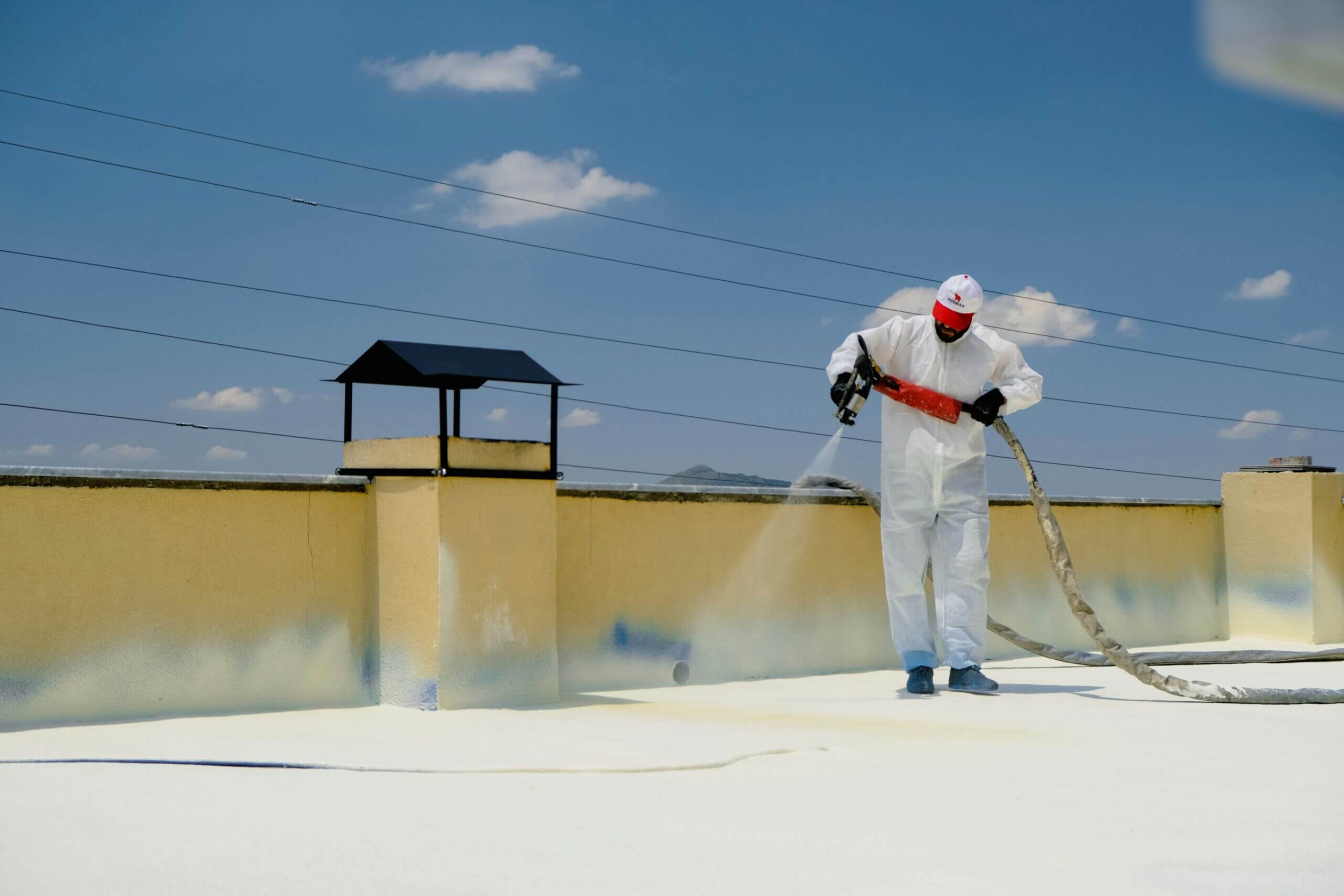
Sprayed foam adds insulation and re-slopes ponding in a single seamless pass, a practical recover for irregular Dayton roofs once the substrate tests dry.
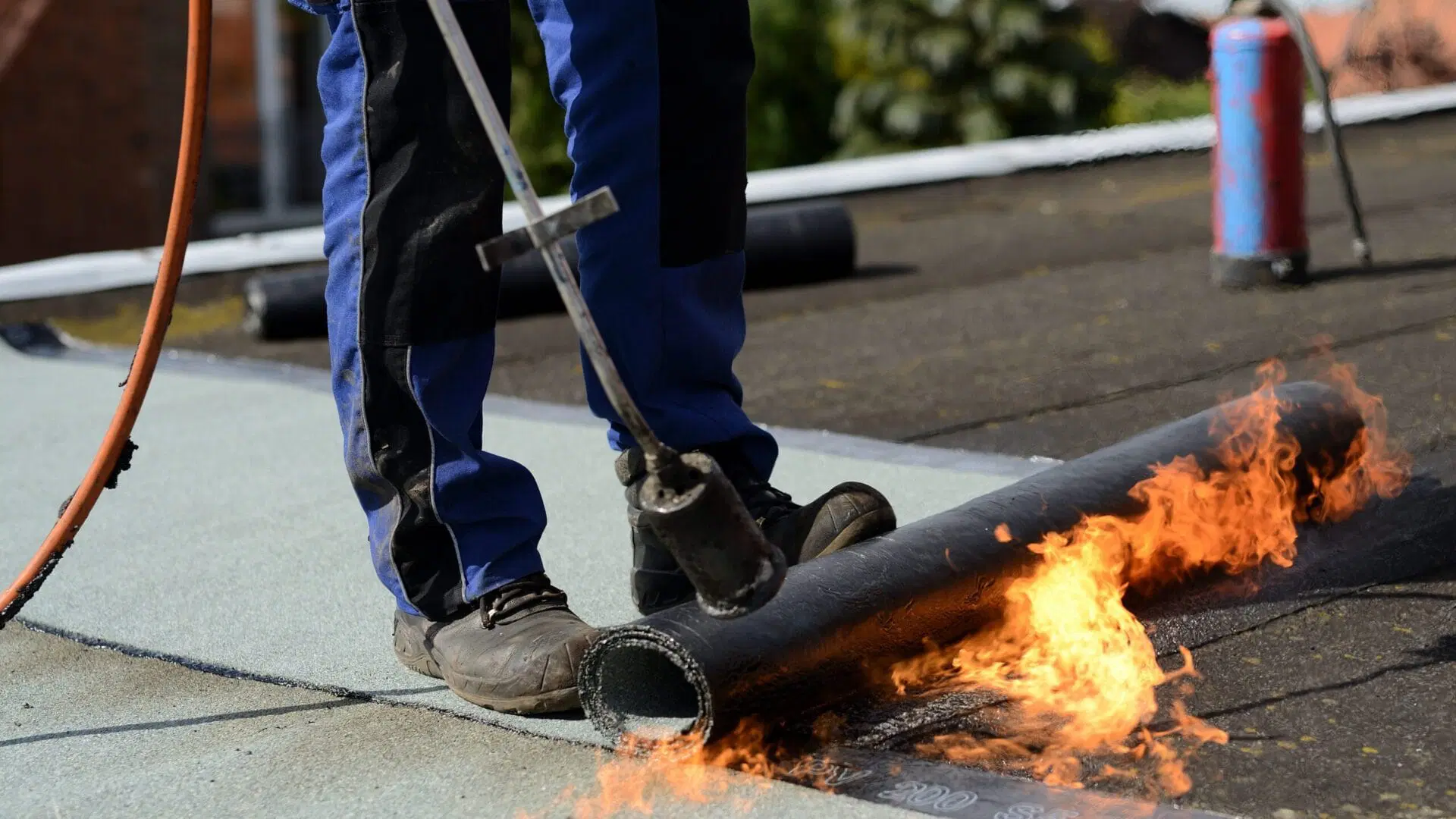
APP modified bitumen is torch-applied for a tough, heat-welded surface, a durable choice for Dayton roofs with heavy traffic or demanding flashing details.
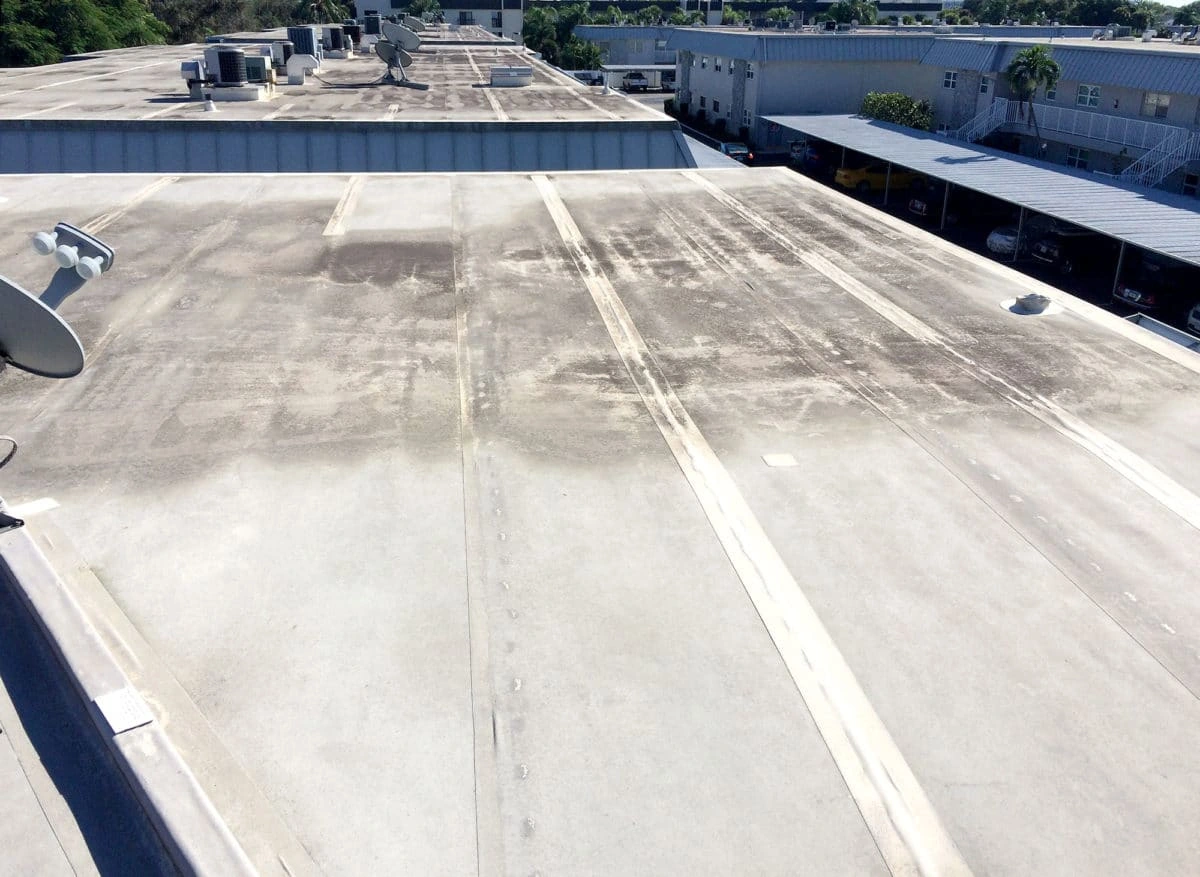
KEE-based single-ply keeps PVC's weldability while resisting plasticizer loss, so it ages well on Dayton roofs exposed to grease, chemicals, and full Ohio sun.
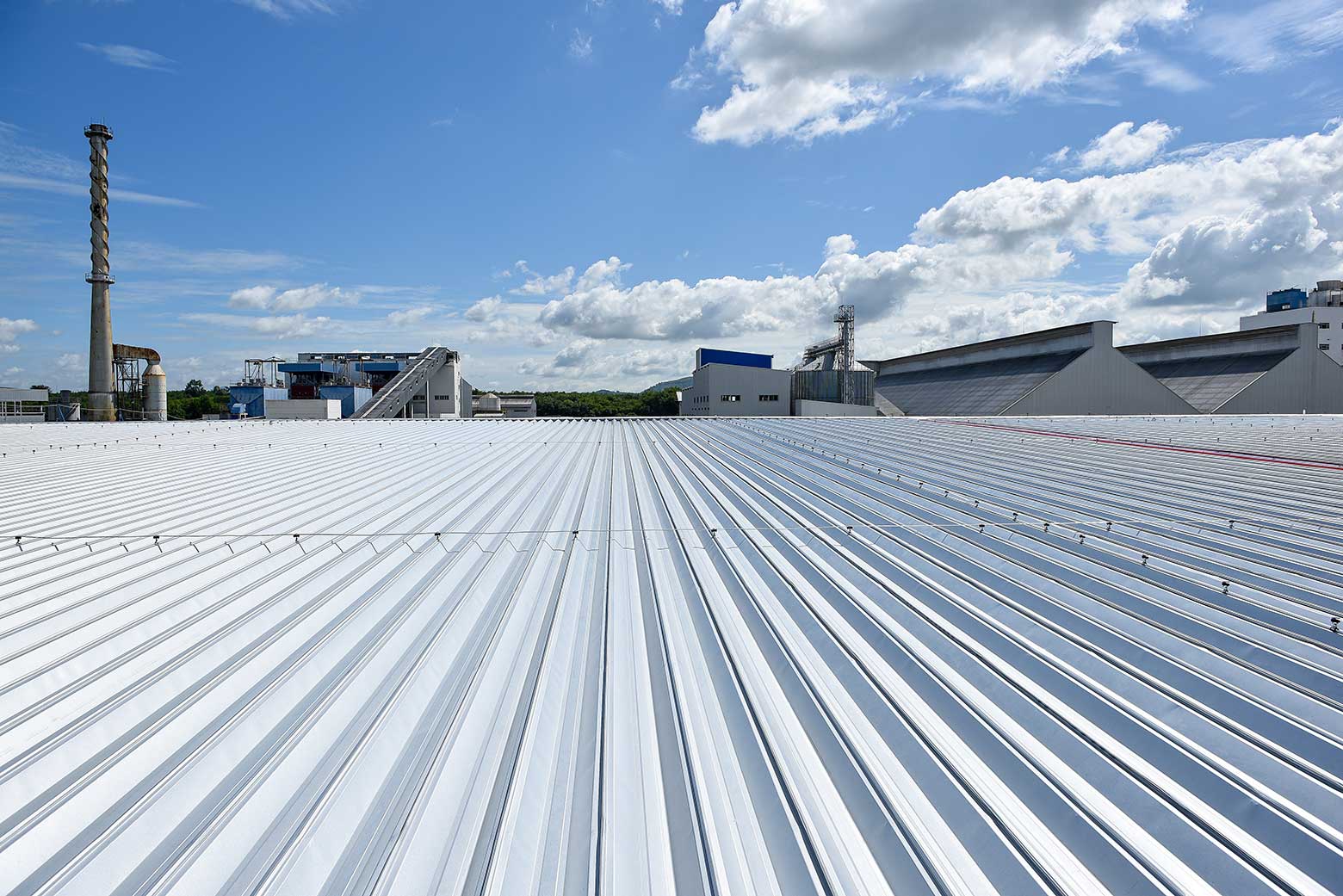
Metal roofs span standing-seam and exposed-fastener R-panel; both shed Ohio snow well, but each handles thermal movement differently, which we detail for Dayton slopes.
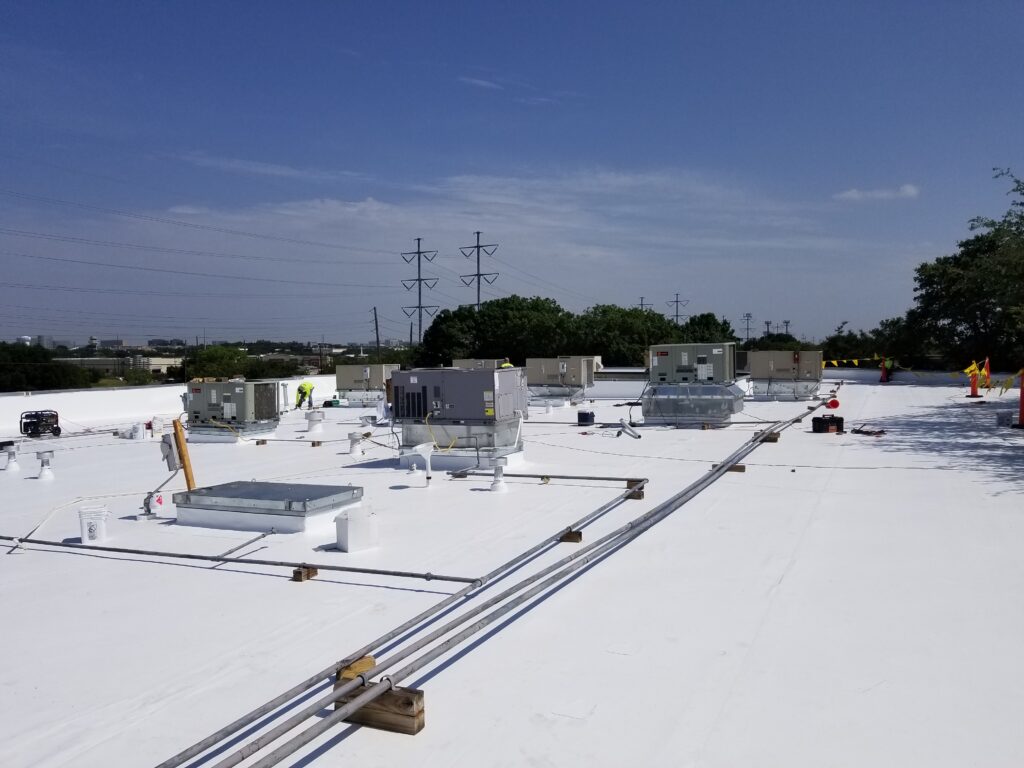
Sixty-mil TPO is the reflective baseline for flat Dayton roofs, welding into watertight seams and cutting summer heat gain on offices and light-traffic buildings.
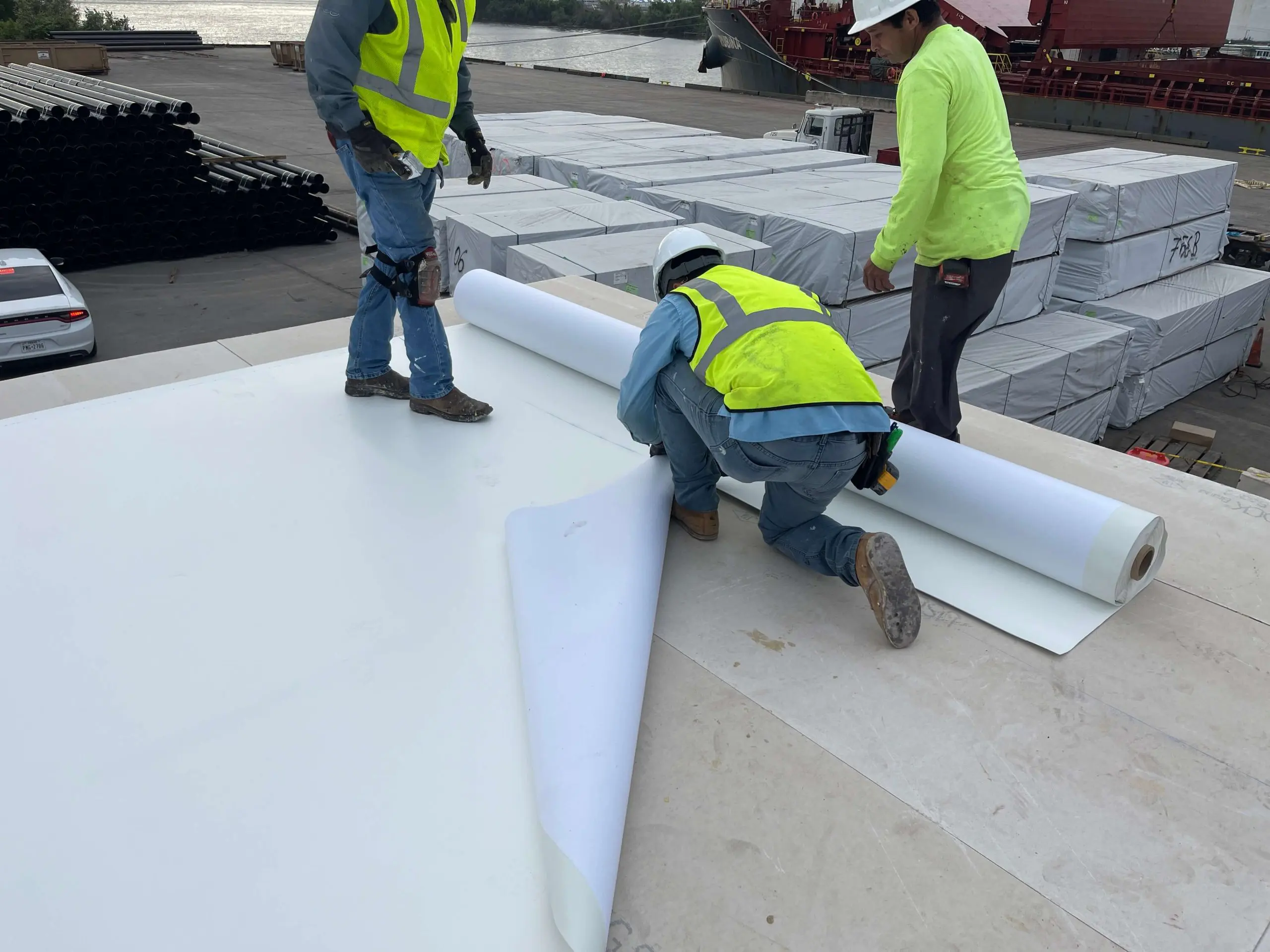
Eighty-mil TPO adds puncture resistance and reserve membrane for Dayton roofs that see hail, equipment, or steady foot traffic, extending service life over thinner grades.
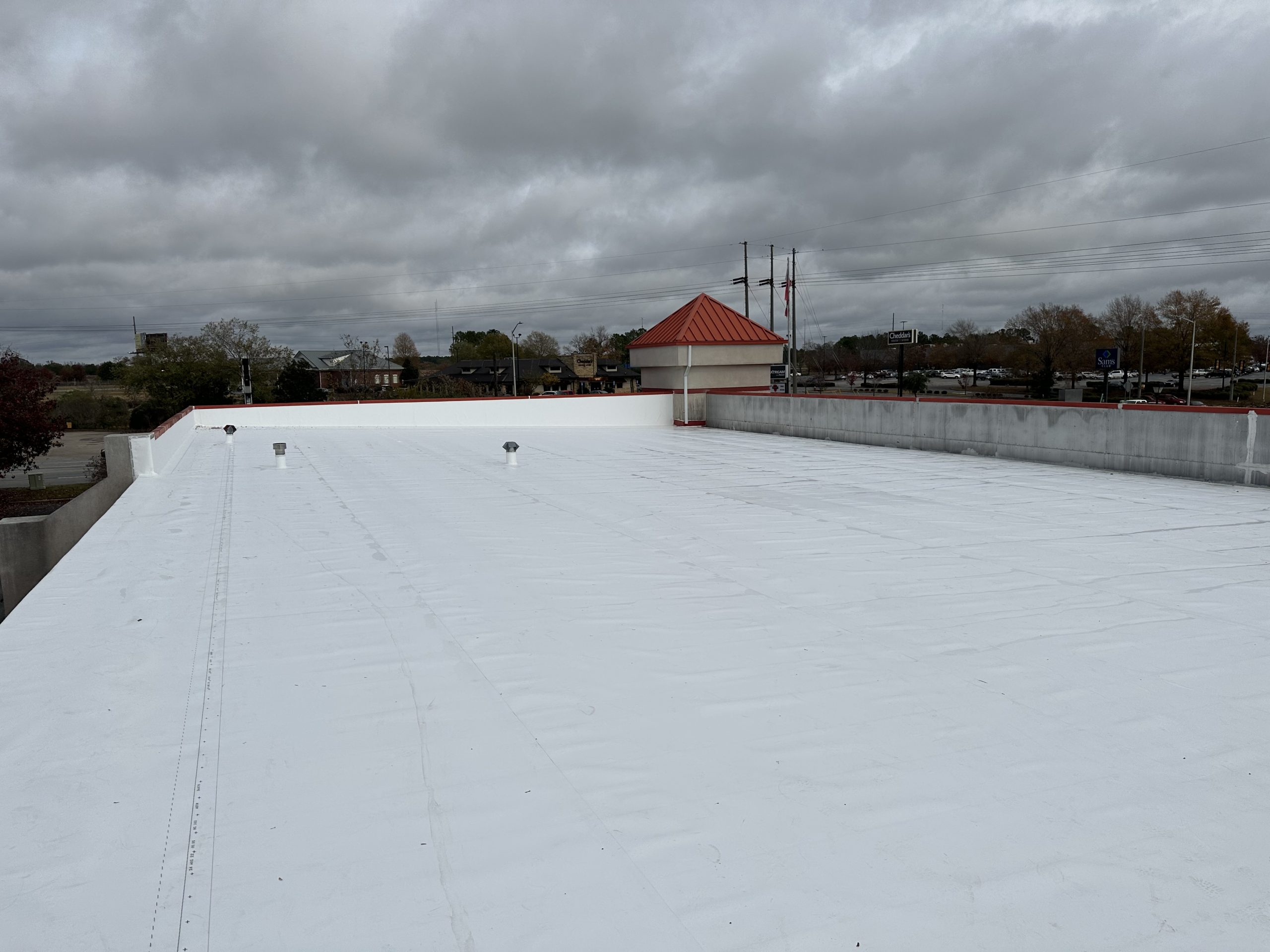
Hot-air-welded PVC forms monolithic seams that resist ponding and grease, making it a strong fit for Dayton kitchens and dead-flat roofs prone to standing water.
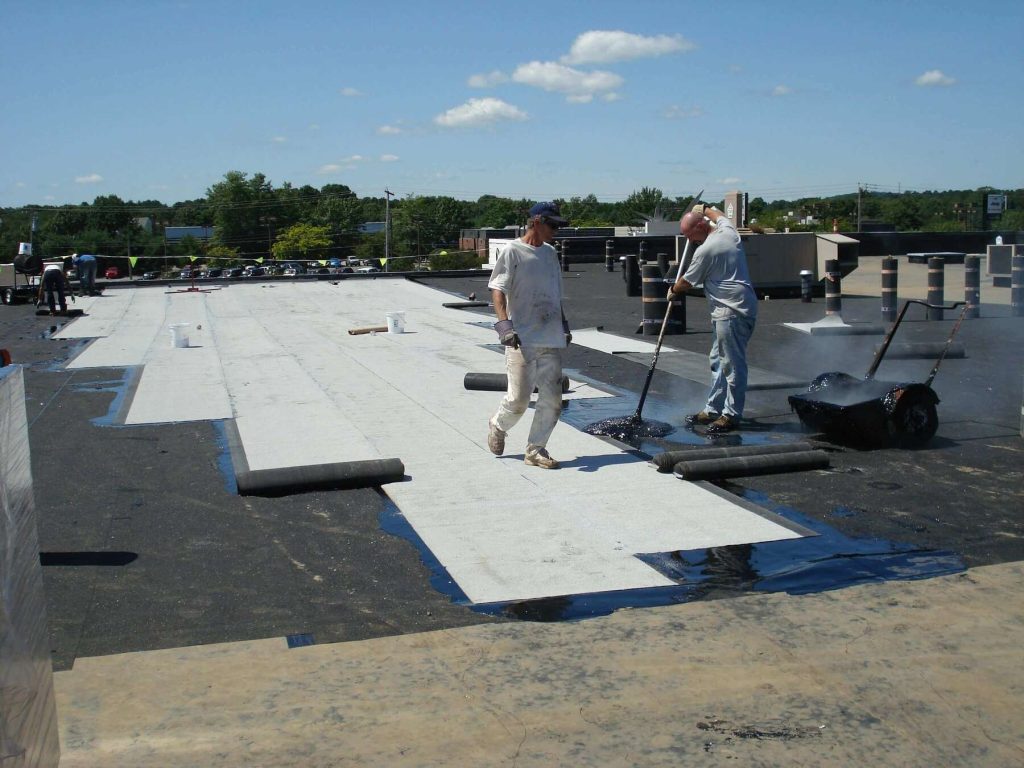
Layered felts and asphalt make BUR a heavy, redundant system still found on older Dayton buildings; we judge its remaining life by flashing, blisters, and ballast cover.
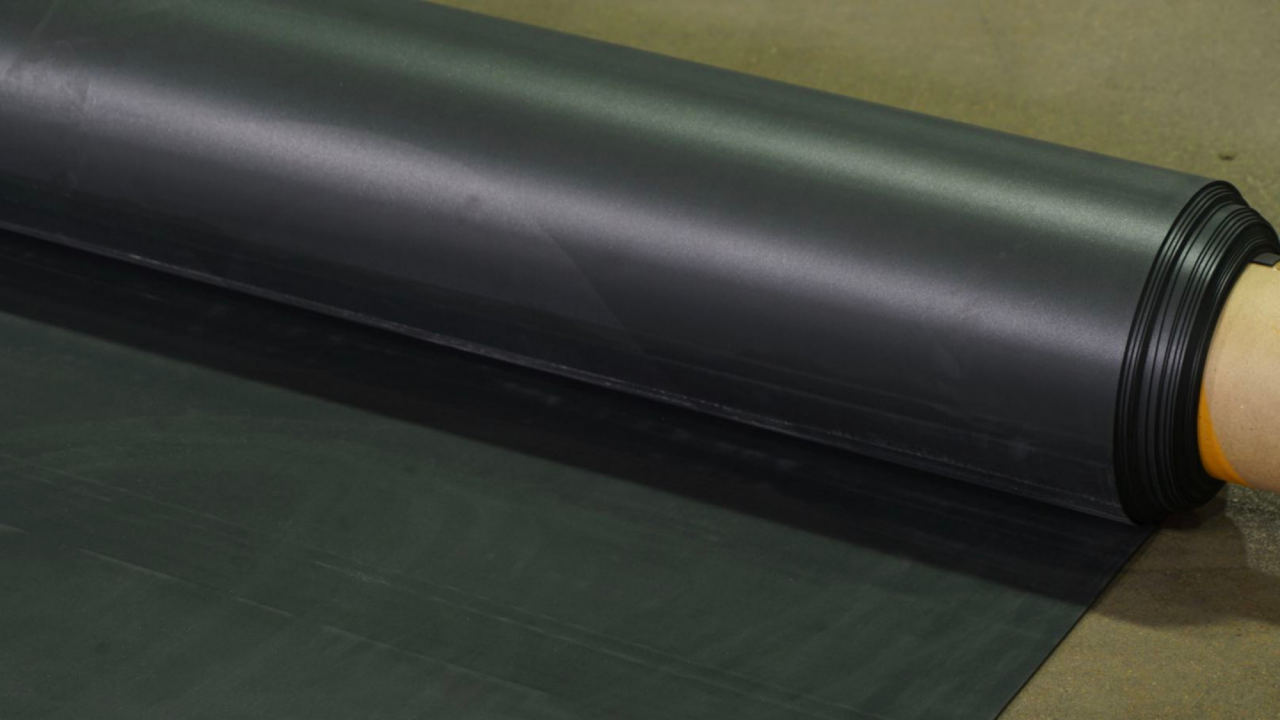
EPDM rubber stays flexible through Dayton's deep-winter cold; black absorbs warmth to shed snow while white reflects summer heat, and we match the color to the building's load.