
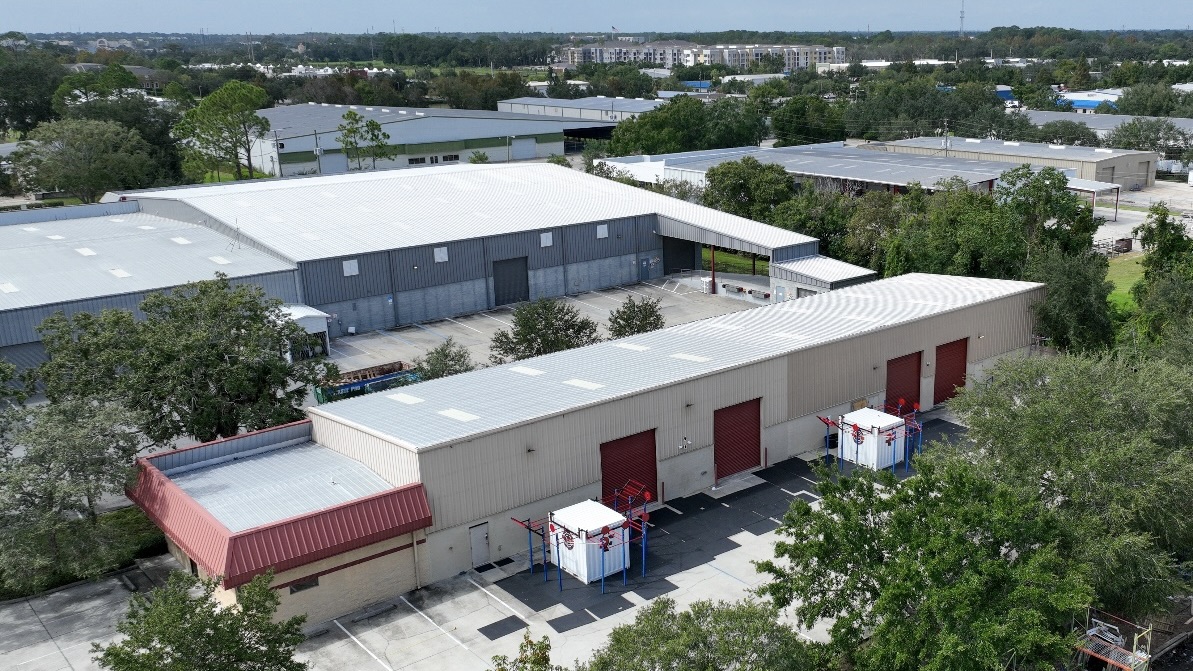
Commercial Roof Inspection for commercial buildings across Dayton, Montgomery County, Kettering, Beavercreek, Fairborn, Huber Heights, Vandalia, Miamisburg, Centerville, Springboro, Troy, Xenia, and the Miami Valley.
Timing is everything with commercial roof inspections in Dayton. The Miami Valley's weather calendar creates two critical service windows that building owners and facilities managers should be treating as fixed items in their annual maintenance schedule. The first is the spring post-thaw window — March through April — when freeze-thaw damage from January and February becomes visible and before the May-June thunderstorm season starts loading roofs with four and a half inches of rainfall per month. The second is the fall pre-freeze window — September through October — when you have the best combination of dry conditions, accessible rooftops, and lead time to schedule any necessary repairs before winter sets in.
WPAFB contractor facilities in Fairborn and Beavercreek represent some of the most inspection-intensive commercial roofing programs in the Dayton market. Defense contractors operating under GSA lease agreements and DoD facility standards often have documented inspection requirements tied to their lease terms and facility maintenance standards. Buildings supporting classified operations require inspection coordination — access may be controlled, rooftop areas may have restricted zones, and documentation may need to comply with security protocols. Contractors servicing this market understand that pre-inspection access coordination with facility security officers is a standard step, not an unusual request.
Kettering Health Main Campus and the broader Kettering Health network across the Dayton metro operate under Joint Commission facility standards that include documented preventive maintenance programs for building envelope systems. Roof inspections at medical facilities aren't just about finding leaks — they're about maintaining the documentation record that supports accreditation and regulatory compliance. Inspection reports for hospital buildings should be formatted to match the facility's maintenance management system requirements, include photographic documentation with GPS or reference-point tagging, and be retained in a format that can be produced during compliance audits.
UD Research Institute buildings on the University of Dayton campus present inspection challenges tied to rooftop equipment density and research continuity requirements. Laboratory buildings cannot simply be shut down for rooftop access — inspections need to be coordinated with facility management to avoid interference with sensitive research operations. High-bay research buildings also create fall-protection planning requirements that go beyond what's needed for a standard warehouse or office building. Pre-inspection safety planning and coordination with the university's environmental health and safety department is standard practice for experienced contractors working on the UD campus.
The inspection protocol for Dayton commercial roofs should cover more than the visible membrane surface. Drain and scupper function testing — running water through drain systems to verify flow rate and identify partial blockages — is essential before the May-June thunderstorm season. Flashing conditions at parapet walls, curb penetrations, pipe boots, and expansion joints should be documented photographically with enough detail to track deterioration between inspection cycles. On gravel-surfaced BUR systems, the aggregate cap layer should be evaluated for displacement patterns that indicate drainage problems or wind-scour zones.
Infrared thermographic scanning has become a standard component of thorough commercial roof inspections in markets like Dayton where freeze-thaw infiltration creates widespread wet insulation problems. The physics of IR scanning work best when the roof surface has been heated by daytime sun exposure and ambient temperatures drop in the evening — wet insulation retains heat longer than dry insulation and appears as warm spots on the thermal camera. Scheduling IR scans in the late afternoon to early evening on clear days in spring and fall gives Dayton inspectors the best thermal differential conditions. Results should be compared against previous scan records to track the progression of wet areas year-over-year.
Industrial buildings in Northwoods Industrial Park, Ascent Industrial Park, and the Byers Road corridor frequently have inspection histories that exist only in the memory of a maintenance technician who has since left the company. When portfolio-level due diligence is performed ahead of a purchase or lease renewal, commercial roof inspections for these buildings need to assume no prior documentation exists and build a condition baseline from scratch. Core sampling at multiple points across large industrial roofs is the only reliable way to establish insulation moisture content when infrared results are ambiguous.
Inspection reports should be actionable, not just descriptive. A report that lists observed conditions without prioritizing them by urgency, estimated remaining life, or recommended action timeline doesn't help a facilities manager or property manager make capital planning decisions. Dayton building owners managing multiple properties — whether they're running retail corridors along Wilmington Pike or managing the Austin Landing mixed-use development — need inspection outputs that map directly to maintenance budget line items and flag items that need immediate attention versus items that can be deferred to the next budget cycle.
Post-storm inspection requests surge after major weather events in the Miami Valley. Severe thunderstorms, straight-line wind events, and the occasional tornado in the broader region create a wave of inspection calls that can overwhelm local contractor capacity. Building owners with ongoing inspection programs and established contractor relationships get prioritized scheduling during post-storm surge periods. Reactive owners without pre-existing relationships may wait weeks for a post-storm assessment — during which time an active leak continues to damage interior assets.
Twice per year at minimum — once in spring after the freeze-thaw season and once in fall before winter. Buildings with aging systems, recent storm exposure, or active warranty coverage should add a post-storm inspection protocol. Large institutional campuses like hospital systems and university facilities typically run quarterly inspection programs with annual comprehensive reports. Defense contractor facilities with specific maintenance documentation requirements may have inspection intervals set by their lease or facility standards agreement.
A complete inspection report should include: a marked-up roof plan identifying all areas of concern by location, photographic documentation keyed to the roof plan, an itemized condition assessment for membrane, flashings, drains, penetrations, and parapet/edge metal, recommended actions prioritized by urgency, and an estimate of remaining service life. For buildings under active manufacturer warranties, the report format may need to match the warranty holder's documentation requirements.
Yes — and this is one of the most valuable uses of pre-storm inspection documentation. A pre-storm inspection report that shows your roof was in good condition establishes the before-state for an insurance claim. Without it, insurers can argue that damage predated the storm event. Post-storm inspection documentation should capture damage with time-stamped photographs and a written description tied to the specific storm event. Insurers covering properties in the Miami Valley are familiar with Dayton's severe weather pattern and generally expect documented claims after significant events.
For any Dayton commercial building that is more than 15 years old, has had repairs or patches in the past, or is being considered for a recover or coating application, infrared scanning is worth the cost. The cost of applying a new coating or recover system over wet insulation — including the eventual mandatory tear-off when the moisture-driven failure becomes visible — far exceeds the cost of a pre-application IR scan. For newer buildings with well-documented maintenance histories, visual inspection may be sufficient for routine cycles, with IR added every three to five years as a condition check.
WPAFB contractor facilities in Fairborn and Beavercreek operate under DoD and individual contractor security protocols. Access to rooftops — particularly on buildings that house classified work — requires coordination with the facility security officer (FSO) and may require contractor background checks, vehicle inspections, and escort requirements. Inspection contractors should be prepared to provide employee identification information in advance and may face restrictions on photography in certain rooftop areas. Experienced Dayton contractors working in this market treat security coordination as a standard part of project scope.
What to send before the roof walk
Send the roof address, leak photos, roof age if known, access instructions, tenant limits, prior reports, and the deadline driving the decision. That lets the first visit focus on the roof condition instead of chasing basic context.
Questions Owners Ask
Can this work happen while the building is occupied?
Often yes. The scope should cover access, safety, dry-in, staging, noise, interior protection, and the times when tenants or operations cannot be interrupted.
What changes the cost most?
Wet insulation, deck condition, edge metal, layer count, access, roof size, code triggers, weather timing, and the amount of repeated damage usually move the cost.
How is the condition documented?
The roof file should include photos, locations, material notes, observed defects, temporary repairs, remaining deficiencies, and recommended next steps.