
Acrylic and Silicone Roof Coatings for commercial buildings across Dayton, Montgomery County, Kettering, Beavercreek, Fairborn, Huber Heights, Vandalia, Miamisburg, Centerville, Springboro, Troy, Xenia, and the Miami Valley.
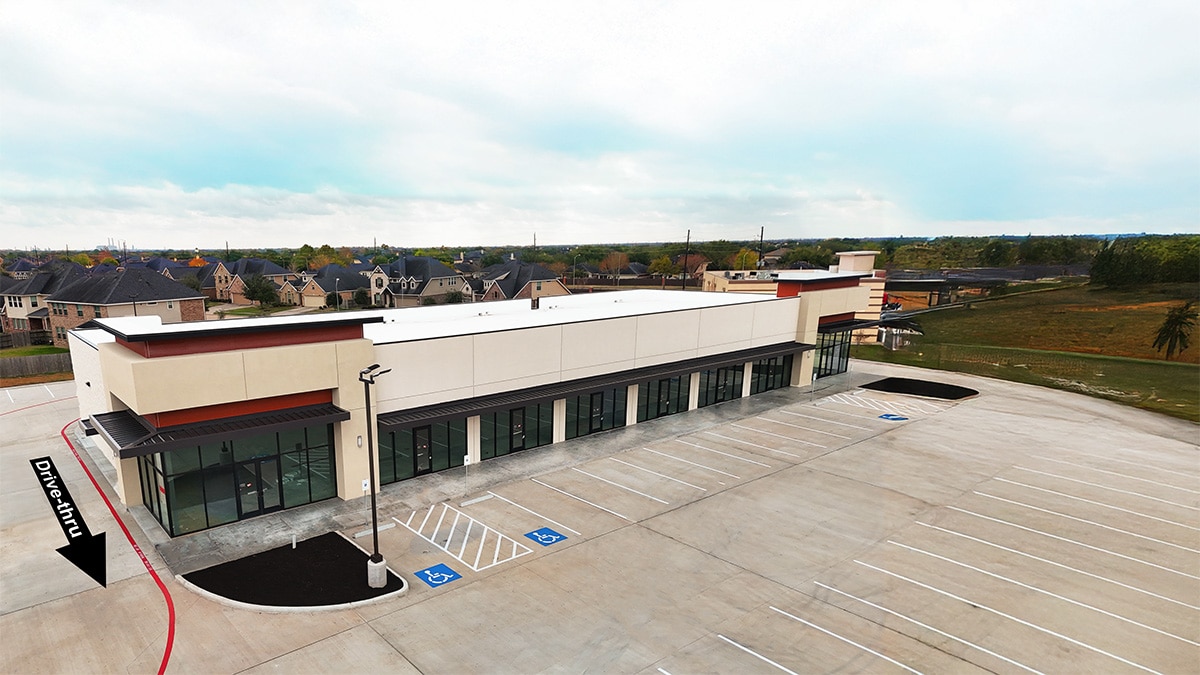
Dayton's retail landscape has undergone a significant transformation over the past two decades, and the roofing needs of that evolving market reflect both the challenges of older building stock and the demands of adaptive reuse in a city actively rebuilding its commercial corridors. The Greater Dayton area's retail base spans everything from mid-century strip centers along Salem Avenue and Wilmington Pike to the big-box clusters anchoring the Dayton Mall area in Centerville and newer inline retail following development activity in Beavercreek and Miamisburg. Each of those building types presents different roofing conditions, and understanding how Southwest Ohio's climate interacts with those structures is the starting point for any serious retail roof management plan.
Dayton's four-season climate is genuinely punishing on commercial rooftops. Freeze-thaw cycles through the winter months exploit every minor seam separation and flashing failure, allowing water to penetrate during a January thaw that then expands and causes structural damage when temperatures drop again in February. Spring brings the heaviest precipitation, and a roof system that made it through the winter with marginal drainage performance will reveal those weaknesses quickly when March and April rain totals push into the upper ranges. Summer heat loading on flat-roof retail in the Miami Valley is compounded by humidity, which makes moisture management in the insulation assembly as important as surface-level waterproofing. Retail landlords who treat roofing as a seasonal concern rather than a year-round one are consistently the ones calling for emergency repairs in late winter.
Flat roof drainage is one of the most consistent maintenance failures on older Dayton retail properties. Strip centers built in the 1970s and 1980s along the Dixie Highway corridor or near the Dayton Mall service road were often engineered with just enough drain capacity for the design storm at the time of construction — capacity that has since been compromised by clogged interior drains, failed overflow scuppers, and tapered insulation that has compressed over decades of foot traffic. Ponding water during Ohio's extended wet seasons accelerates membrane aging significantly, and a drainage remediation plan — which may involve adding drains, raising scupper heights, or installing tapered insulation to improve slope — should be part of any full reroof specification for Dayton's older retail stock.
TPO membranes have become the default specification for Dayton retail reroofing projects, primarily because of their performance in thermal cycling conditions. The heat-welded seams on a properly installed TPO system create a monolithic membrane that flexes with the roof deck through Dayton's wide temperature swings without developing the adhesive failures that plague improperly detailed EPDM bonded systems. For anchor stores at Dayton-area power centers, where roof areas can cover 80,000 to 100,000 square feet, the difference between a 60-mil and 80-mil membrane — and between a standard and enhanced seam weld — represents a meaningful difference in long-term performance under Ohio freeze-thaw stress.
HVAC penetration management on Dayton retail rooftops is complicated by the region's heating-dominated climate. Unlike Sun Belt retail where cooling equipment drives rooftop density, Dayton strip centers often carry rooftop gas-fired units whose flue penetrations, combustion air intakes, and condensate drain lines create a penetration cluster that requires careful individual attention during both installation and ongoing maintenance. Seasonal condensate drainage issues — where drain lines freeze during cold snaps — can cause water to back up into the roof assembly in ways that aren't immediately visible but create long-term insulation saturation that undermines thermal performance and accelerates deck corrosion in steel deck systems.
Tenant disruption in Dayton's retail market carries some market-specific nuances. The city's economy supports a significant concentration of healthcare, service, and value retail tenants — urgent care operators along the I-675 corridor, discount retailers anchoring Trotwood and West Dayton strip centers, and grocery-anchored centers throughout the suburbs — all of whom operate on tight margins where unexpected closures or customer-experience issues translate directly to lease retention risk. Roofing contractors working in this market need to understand that tenant communication isn't a courtesy — it's a condition of performing well in a market where property managers have long memories and give repeat business based on how projects are managed, not just how the finished roof performs.
CAM budget planning for Dayton retail roofing reflects the market reality that many properties in the region carry below-market rents relative to newer suburban competition. Strip centers in neighborhoods like Huber Heights or along the Wolf Creek area can't always support the same per-square-foot CAM contributions that Beavercreek or Centerville properties command, which means roof capital reserves are often thinner than industry benchmarks recommend. A phased capital approach — addressing the highest-risk sections of a retail roof in year one and budgeting for the remainder over the following three years — can spread costs in ways that align with tenant lease renewal cycles and avoid the shock of a full-building emergency replacement demand.
Dayton's historic commercial buildings in the Oregon District, the South Park retail corridor, and the revitalized downtown blocks present a specialized subset of retail roofing work. These structures often have parapeted masonry construction, interior drain systems that were designed for different roof configurations, and landmark or historic designation that governs what modifications are visible from the street. Working on retail roofing in these contexts requires a contractor who understands masonry parapet waterproofing, through-wall flashing at reglet and counterflashing details, and the coordination required when building permit reviewers have historic preservation input. The commercial roofing scope in these buildings is rarely as straightforward as a standard flat-roof reroof on a 1990s strip center.
Retail brand standards affect roofing work throughout the Dayton metro area in ways that are easy to underestimate until a project is already underway. National chain tenants anchoring Dayton-area centers from the Greene Town Center to the Beavercreek corridor have documented rooftop equipment standards and parapet height requirements that originate from corporate real estate teams in other states. When a roofing project triggers HVAC replacement or curb height changes, those standards activate and require a coordinated approval process. Retail landlords who engage tenant facilities teams before mobilization — rather than discovering conflicts during installation — consistently finish projects on schedule and without the expensive concessions that come from mid-project tenant objections.
What to send before the roof walk
Send the roof address, leak photos, roof age if known, access instructions, tenant limits, prior reports, and the deadline driving the decision. That lets the first visit focus on the roof condition instead of chasing basic context.
Questions Owners Ask
Can this work happen while the building is occupied?
Often yes. The scope should cover access, safety, dry-in, staging, noise, interior protection, and the times when tenants or operations cannot be interrupted.
What changes the cost most?
Wet insulation, deck condition, edge metal, layer count, access, roof size, code triggers, weather timing, and the amount of repeated damage usually move the cost.
How is the condition documented?
The roof file should include photos, locations, material notes, observed defects, temporary repairs, remaining deficiencies, and recommended next steps.