
Acrylic and Silicone Roof Coatings for commercial buildings across Dayton, Montgomery County, Kettering, Beavercreek, Fairborn, Huber Heights, Vandalia, Miamisburg, Centerville, Springboro, Troy, Xenia, and the Miami Valley.
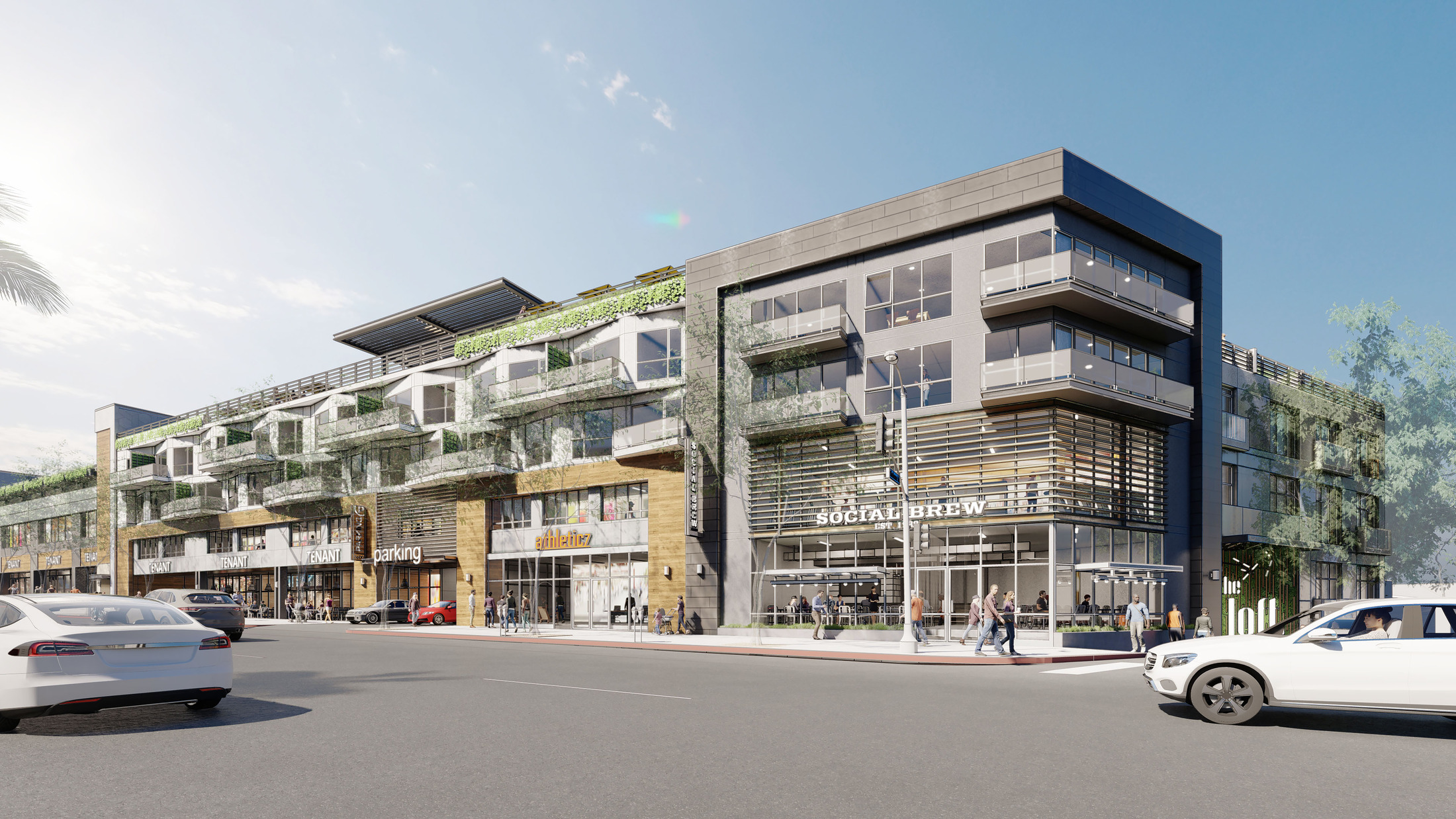
The Oregon District and the 2nd Street Market corridor in downtown Dayton represent the most established mixed-use environments in Montgomery County — historic commercial buildings with residential above that have been reimagined as the walkable urban core of a city in recovery and renewal. More recent mixed-use development in Dayton includes the Water Street District along the Great Miami River, a modern residential and retail development that represents the new generation of Dayton urban investment. Taken together, these projects define a Dayton mixed-use waterproofing market where historic building character, Ohio's four-season climate, and occupied residential above commercial create a complex roofing and waterproofing environment.
Commercial versus residential zone management in Dayton's mixed-use market tends to involve older building stock where the zone separation is a function of historic building configuration rather than high-rise tower stacking. Oregon District mixed-use buildings typically have commercial ground floors and upper-floor apartments or condos in buildings where the flat roof above the residential floors may be the only separation between interior occupied space and the exterior environment. Failures on these roofs land directly in residential units, creating immediate habitability issues and tenant disputes.
Occupied residents in Dayton's mixed-use residential buildings are often longtime urban residents who have invested in revitalizing downtown neighborhoods — they are engaged and vocal stakeholders who expect clear communication and minimum disruption from building maintenance work. We develop resident notification plans in coordination with building owners and property managers, providing advance notice of project schedules, noise windows, and any access impacts well before work begins.
Terrace and deck waterproofing in Dayton's mixed-use buildings ranges from simple parapet-enclosed flat roofs used as private residential terraces to more developed amenity deck configurations on newer developments. Ohio's freeze-thaw cycle is the primary challenge for Dayton terrace waterproofing — water that infiltrates even minor gaps in the waterproofing assembly freezes and expands in winter, widening those gaps and accelerating deterioration. We specify traffic-bearing systems with fully adhered membranes that eliminate the water infiltration pathways that freeze-thaw cycles exploit.
Green roofs are a meaningful sustainability feature on Dayton's newer mixed-use development, particularly along the Water Street corridor where stormwater management requirements and LEED commitments drive green infrastructure specifications. The Great Miami River watershed context makes stormwater retention a genuine environmental benefit, and we specify green roof assemblies with retention layer configurations appropriate for Dayton's rainfall patterns.
Building envelope continuity in Dayton's Oregon District historic mixed-use buildings requires particular attention to the transition from original masonry wall systems to the roof waterproofing system — a junction where historic through-wall mortar joints, original parapet masonry, and subsequent repair layers create complex moisture pathways that can allow water to bypass the primary roof membrane entirely. We conduct building envelope investigations that trace moisture pathways through the full wall-to-roof transition zone before specifying repairs.
Ohio's winter creates specific waterproofing challenges unique to Dayton's mixed-use environment. Ice damming at parapet walls, frost heave at terrace paving, and freeze-related drain blockages all contribute to water intrusion events that occur in winter rather than during rainfall. We specify heated drain inserts at terrace and roof drains on Dayton occupied mixed-use buildings and include winter drain inspection in annual preventive maintenance programs.
Historic building character in the Oregon District imposes constraints on visible roofing and waterproofing work — parapet caps, coping materials, and drainage configurations should complement the historic masonry character of these buildings. We work with property owners and the Dayton Historic Preservation Review Board when modifications to historically visible elements are required.
Dayton's mixed-use revival is one of the city's most exciting development stories, and protecting the building envelope quality of these investments is essential to the long-term success of downtown Dayton's revival. Our commercial roofing team brings the historic building expertise, Ohio climate knowledge, and occupied building coordination skills that Dayton mixed-use projects require.
What to send before the roof walk
Send the roof address, leak photos, roof age if known, access instructions, tenant limits, prior reports, and the deadline driving the decision. That lets the first visit focus on the roof condition instead of chasing basic context.
Questions Owners Ask
Can this work happen while the building is occupied?
Often yes. The scope should cover access, safety, dry-in, staging, noise, interior protection, and the times when tenants or operations cannot be interrupted.
What changes the cost most?
Wet insulation, deck condition, edge metal, layer count, access, roof size, code triggers, weather timing, and the amount of repeated damage usually move the cost.
How is the condition documented?
The roof file should include photos, locations, material notes, observed defects, temporary repairs, remaining deficiencies, and recommended next steps.